
The rise of aviation themes in gambling design
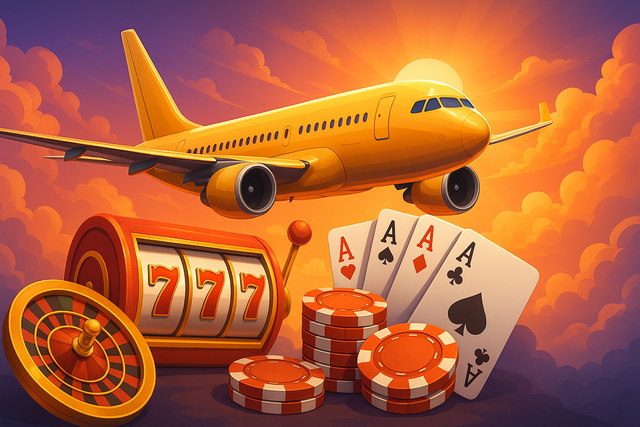
From Cockpit to Casino
The aviation theme has taken flight in the online gambling world. It brings a sense of danger, freedom, and adrenaline that resonates with modern players. Gamblers crave a feeling of action, and flight-based design delivers that rush. The sky is no longer the limit—it’s the playing field.
The Avia Masters game stands as a perfect example. It captures the thrill of flying with an interactive crash mechanic that mimics airborne decision-making. Pilots must weigh risk versus reward, and players do the same with each round. The metaphor works on both an emotional and mechanical level, creating a tight bond between theme and experience.
There’s also a sense of control that makes aviation more appealing than many traditional slots. In most games, you spin and wait. In flying-themed titles, you engage and respond. That shift in agency—being in the pilot’s seat—transforms gameplay into something more personal. Players no longer observe risk. They fly through it.
Game Mechanics Inspired by Flight Strategy
Aviation-themed gambling games thrive because of the natural overlap between flight dynamics and betting decisions. In the Avia Masters game, players launch a plane and choose when to cash out. This is not random action—it’s a strategic exercise. Every second in the air represents a higher payout but a growing risk of crashing.
The game mimics pilot behavior with real consequences. Missiles, altitude shifts, and timing windows add urgency. Players must process visual and numerical cues to make a choice. That intensity simulates high-stakes decision-making found in real aerial missions. It doesn’t feel like gambling in the traditional sense—it feels like outmaneuvering danger.
Customisation options add another layer. Manual versus auto modes, game speed controls, and dual-betting options give players the ability to tailor their flight experience. These elements reinforce the aviation theme by offering toggles and switches—like cockpit controls in a jet. The blend of complexity and intuition keeps users engaged longer.
Visual Language of the Skies
Design plays a vital role in making aviation games memorable. Visuals must convey movement, tension, and possibility. In games like Avia Masters, the interface shows jet trails, interactive multipliers, and live altitude feedback. These aren't decorations—they tell a story mid-flight.
The color scheme leans toward modern aircraft design. Cool grays, bold blues, and hazard alerts replicate real cockpit panels. The rising multiplier functions like an altimeter. Progress markers light up like runway indicators. All of this contributes to immersion. It places the player not just in a game, but in a mission.
Audio supports the illusion. Engine roars signal takeoff. Alarms indicate danger. Button clicks simulate aircraft controls. These effects heighten engagement by using more than just sight. Players hear risk before they see it. Combined with responsive visuals, this turns simple gameplay into a multisensory experience.
A Balance of Fantasy and Control
The success of aviation themes lies in how they balance two core desires. Players want to escape reality, but also want control. Aviation offers both. The fantasy of flying meets the strategy of survival. That mix keeps players returning.
The Avia Masters game transforms passive gameplay into a narrative of choice. Every flight tells a new story. One round ends in disaster. Another climbs to new heights. The unpredictability, paired with visible player input, makes each session unique. This dynamic rewards not just luck, but smart timing and situational awareness.
Aviation games are also ideal for streaming and community content. Spectators enjoy watching others take risks, just like they would in airshows or combat simulations. This makes games like Avia Masters popular beyond the players themselves. Their design invites an audience, which increases exposure and helps fuel the genre’s rise in popularity.